Facebook is increasingly tightening its advertising and content policies to protect the user experience and ensure a transparent, safe environment for businesses. However, in reality, many individuals and advertisers unintentionally violate these rules because they do not grasp or misunderstand the regulations, leading to consequences such as restricted post visibility, disapproved ads, and even permanently locked accounts and Fanpages. In this article, Optimal Agency will fully synthesize the most common content that violates Facebook policies that you need to avoid, helping you proactively prevent risks and build a more sustainable content and advertising strategy on the platform.
Latest policy updates on Facebook ad content
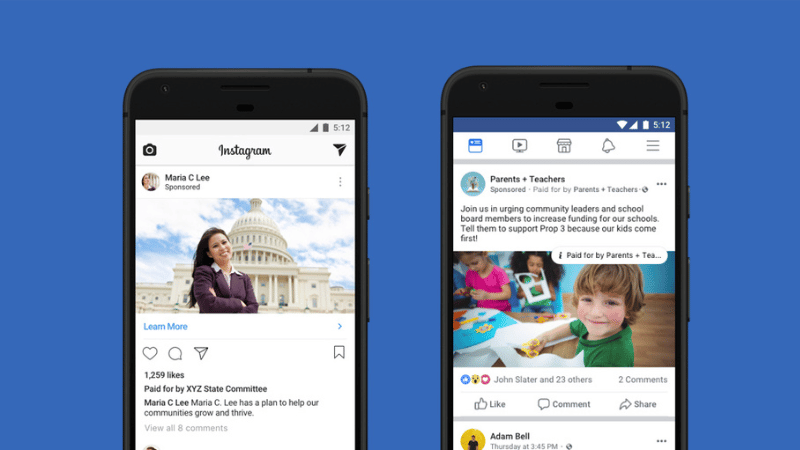
Recently, we have noticed that Facebook is undertaking a very strong crackdown on content that violates its policies, especially Fanpages and personal profiles with content theft behavior. Hundreds of thousands of accounts have been deleted in a short period for continuously taking videos, images, or articles from other Fanpages or from platforms like YouTube and TikTok and reposting them without significant modification onto Facebook. This is not new. In fact, we have been warning you about this issue for years. Re-uploading videos verbatim from YouTube or any other social media platform to Facebook without editing is a serious taboo, especially if you are running ads or building a Fanpage for long-term business.
How does Facebook define non-original content?
According to Facebook’s official stance, non-original content is the continuous reuse or recycling of another creator’s content without significant transformation, without attribution, or exploiting their creative efforts for profit.
This does not just apply to video. Non-original content can be:
- Unmodified re-uploaded videos
- Images downloaded from another Fanpage and reposted
- Text copied from someone else’s article
- Any content format not created by you
If you take someone else’s content and repost it to your Fanpage or profile without sufficient modification, Facebook considers it a serious violation.
Consequences of posting non-original content on Facebook
If your Fanpage or account is identified by Facebook as posting non-original content, the consequences may include:
- Complete demonetization
- A sharp reduction in organic reach, potentially losing over 50%
- The Fanpage being restricted from content distribution for an extended period
- Increased risk of ad account suspension if running ads
Many advertisers come to us with “reach dropping for no clear reason,” and upon checking the content history, the cause often stems from re-uploading old videos from YouTube or TikTok without editing.
Is using other people’s content permitted?
Facebook does not absolutely prohibit the use of other people’s content. The key lies in how you use that content.
Facebook encourages forms of content such as:
- Reaction videos with personal commentary, emotion, and unique perspectives
- Videos analyzing and re-explaining the original content
- Participating in trends but adding a voice-over, storytelling, or personal viewpoint
Facebook has emphasized that it appreciates when creators share content creatively, adding commentary, reactions, or transforming the content to create a completely new product.
Conversely, downloading someone else’s video and reposting it verbatim, without editing, without a voice-over, and without added value, is the behavior that receives the heaviest penalty.
Facebook’s new original content protection mechanism
A highly noteworthy update is that Facebook has now improved its ability to trace original content. When the system detects that a video belongs to another creator, that video will be linked back to the original content.
This provides a huge benefit to creators and advertisers who produce 100% original content. If someone steals your video and reposts it, Facebook can:
- Trace back to the original video
- Allow viewers to click directly on your original content
- Reduce the distribution value of the re-uploaded video
This is a clear signal that Facebook is prioritizing and protecting original content more than ever.
Summary of content that violates Facebook policies to avoid
To build a sustainable Fanpage, profile, or advertising system on Facebook, understanding and avoiding content that violates its policies is mandatory for us as well as for you involved in marketing, sales, or content creation. Below are common violation groups and practical experiences that help advertisers limit the risk of being flagged, restricted from distribution, or even having their account locked.
Update on groups of serious content violations being enforced by Meta
Currently, Meta has clearly changed its moderation approach. Instead of a “broad sweep” as before, Facebook prioritizes detecting and strongly penalizing serious violations such as violence, child exploitation, fraud, terrorism, or illegal activities. These are content groups with almost no safe zones; even a slight connection can lead to immediate heavy restrictions on the Page or account.
In practice, we have seen many creators, even those with a large following, have their payouts withheld or face demonetization just for unintentionally touching sensitive content, socio-political topics, or misleading expressions. Therefore, advertisers need to proactively read the Community Standards carefully, monitor new updates, and flag high-risk content groups to avoid them from the ideation stage. Instead of chasing sensational content, you should focus on safe content types that Facebook prioritizes, such as education, inspiration, sharing practical knowledge, skills, or useful experiences. This content is not only less risky but also easier to monetize and receives a more stable distribution.
Facebook has gradually shifted towards Community Notes, which are notes contributed by the user community rather than relying entirely on third-party moderators. When content is flagged with a Community Note, reach and visibility can drop sharply, especially for controversial content. The positive point is that you still have a chance to correct errors. You can edit the content, add context, clearly cite sources, or re-explain the message to avoid misunderstanding. Meta is moving toward greater transparency, allowing more freedom of expression, but will strongly penalize illegal or clearly harmful violations.
For political or social content, Facebook now applies a more personalized approach, but that does not mean you are allowed to spread falsehoods. Always prioritize accuracy and neutrality.
Major risks related to hate speech and sensitive topics
Although some regulations have been relaxed, Facebook’s automated system remains extremely sensitive to hate speech and content related to vulnerable groups. Topics such as gender, sexual orientation, immigration, or race need to be presented in a balanced, neutral manner with clear context.
Just one offensive word, even slang or local language, can cause a video to be flagged or demonetized immediately. During content deployment for clients, we always check the caption, subtitle, and thumbnail to eliminate words that could easily lead to misunderstanding before posting.
Engagement spam and low-quality content are prone to being flagged
Facebook now prioritizes original content that offers real value to viewers and is aggressively “cleaning up” disguised forms of spam. Common mistakes many advertisers make are irrelevant images and captions, sensational headlines, misleading hashtags, or excessive calls for engagement. For example, posting a picture of food but the caption talks about cars, or a pet video but the title is completely different—even with many likes and comments, it is still categorized as spam. The solution is to ensure the image, content, and hashtags are directly related, use only about 3–5 relevant hashtags, and limit CTAs like “tag friends” or “comment to receive a gift.”
One point many overlook is that Meta has deployed Creator Education & Training programs right within the Professional Dashboard. This is the official resource that helps you understand new policies, avoid unintentional violations, and learn from real-world case studies. We recommend that advertisers, especially beginners, dedicate time to reviewing these training modules. Understanding the rules of the game from the start will save you a lot of cost, time, and prevent unnecessary risks during content development or running ads on Facebook.
Clearly understanding and proactively avoiding content that violates Facebook policies is a vital factor if you want to build a sustainable Fanpage, profile, or advertising system for the long term. When you are constantly updating new policies and strictly controlling content from idea generation to posting, Facebook not only provides better distribution but also minimizes the risk of being flagged, restricted from visibility, or having the account locked. Doing things correctly from the start is the most effective way to save costs and protect your digital assets.
Frequently Asked Questions
In cases where you want to promote content or images containing famous brands, you should handle it as follows:
For images, you need to edit and blur the logo and the name of the famous brand.
For ad content containing famous brand names, use strategic misspellings.
You should not put too much text into ad images. This is one of the reasons why ads are disapproved because the image contains too much text. Facebook ad images should ideally contain only 20% text.


