Running Facebook dropship ads is currently the fastest way to build a seven-figure e-commerce store, but it is also the easiest way to go bankrupt if you don’t know how to handle the algorithm. You have found a high-demand retail product, your pixel is tracking initial purchase data, and your store logistics are ready. But the moment you duplicate ad sets to aggressively increase your daily budget, your Cost Per Mille (CPM) spikes by 300%, and your conversion path stalls completely. Your budget burns out in hours, while competitors scale the exact same winning item to thousands of orders.
This conversion decay occurs because standard retail profiles cannot withstand the aggressive distribution patterns required by modern e-commerce. Meta’s 2026 auction system applies severe budget throttling and structural velocity chokes to unverified profiles that try to scale spending too quickly. If you are struggling with unstable delivery and want to discover how to properly optimize dropship ads on Facebook for sustainable daily volume, you must move past basic audience interest targeting. This professional operations report exposes the mechanics of Meta’s dynamic ad auction, reveals how to stabilize your tracking pipeline, and outlines the precise frameworks to bypass spending restrictions using authorized corporate assets.
The Auction Dynamics: How Meta Scores E-commerce Paid Media
Meta’s 2026 ad auction engine evaluates inbound e-commerce campaigns using a strict programmatic scoring system. The platform doesn’t determine ad placement based on your maximum bid price alone; it processes a multidimensional formula known as the Total Value Matrix:
Total Value = {Advertiser Bid} + {Estimated Action Rates} + {User Value Quality}
A. Estimated Action Rates and Ad Set Learning Stability
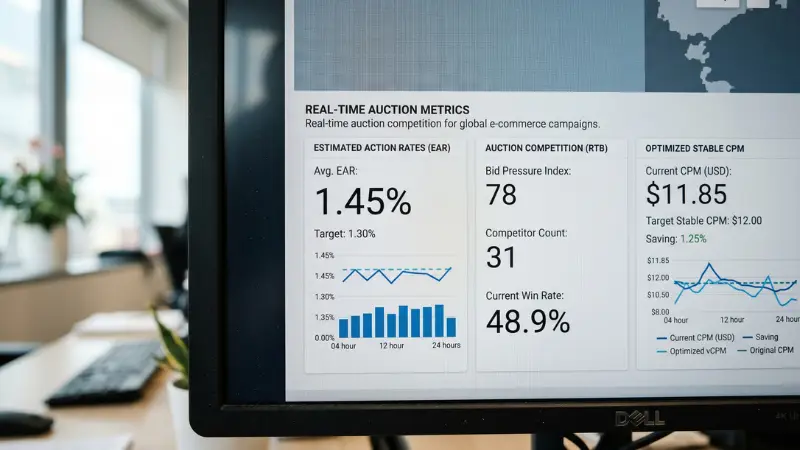
The machine learning bidding loops track how efficiently your creative assets convert views into product purchases. If your ad delivery is constantly interrupted by card payment verification holds or temporary page blocks, your account’s historical performance records are broken. The system views the disruption as an operational risk, lowers your auction entry priority, and automatically inflates your baseline CPM, making it incredibly expensive to reach high-intent global buyers.
B. User Value Quality Metrics
Meta monitors post-click user behaviors closely—tracking landing page bounce rates, checkout completion speeds, and direct ad hidden interactions. Running dropship campaigns that link to generic storefront designs with long loading times lowers your User Value Quality score, triggering automatic distribution restrictions across the network.
Dynamic Creative Sanitation: Designing High-CTR E-commerce Visual Hooks
To lower your average CPM and capture peak audience attention, your media buying division must optimize your creative assets to clear Meta’s computer vision and automated text tracking filters smoothly:
- Eliminating Aggressive Scarcity Triggers: NLP compliance filters scan ad text for artificial tension triggers. Avoid text vectors like “Only 3 items left, buy now or lose 80% discount!” These configurations trigger automated deception flags. Instead, focus on product utility and community value statements.
- Structuring Native TikTok-Style Visuals: Meta’s reels and feed placement algorithms give priority to user-generated style videos (UGC). Use authentic, phone-recorded video hooks with clear, natural lighting and overlay text under 10% of the total frame to lower your ad delivery costs.
- Sovereign Multi-Language Metadata Customization: When targeting cross-border international retail markets (such as the US, UK, or Germany), ensure your localized descriptive titles match the exact language preferences of the destination browser profiles to prevent data mismatches.
Structural Asset Pod Isolation: Preserving Tracking and Pixel Metrics

A critical point of failure for scaling e-commerce operations is managing separate online retail brands inside a single business manager container. If one store encounters a page ban or a delivery restriction due to supplier shortfalls, Meta’s network analysis tools map the shared pixels, card information, and administrative logs, causing a cascading ban across your entire system.
[ UNPROTECTED SYSTEM CONFIGURATION ]
Shared Business Manager ──► Shared Pixel + Shared Billing Cards ──► Cascading System Ban[ OPTIMAL ENTERPRISE CONTAINER ]
Pod 01: Isolated Anti-Detect Session ──► Dedicated Residential Proxy ──► Clean Corporate Ad Node
To secure continuous traffic delivery, your growth team must deploy an isolated asset pod structure. Each individual store brand must operate on an independent asset track: one dedicated anti-detect browser container, one unique static residential ISP proxy, and one isolated business entity that shares no tracking assets or pixels with external fallback configurations. If an operational node encounters an algorithmic budget choke, your surrounding assets remain completely protected.
The Corporate Transition: Unlocking Uncapped Budget Scaling Environments
While implementing dynamic creative sanitation and structured pod isolation protects local workspace footprints, attempting to scale high-volume campaigns past $1,000 daily through standard accounts is an operational bottleneck. Retail accounts face strict daily spending caps that choke your momentum right when a product goes viral. True e-commerce scalability requires enterprise infrastructure authority.
The definitive strategy deployed by global marketing conglomerates involves pairing your optimized store funnels with specialized corporate partner accounts by choosing to rent Facebook ad account systems managed by verified Meta partner networks like Optimal.to.
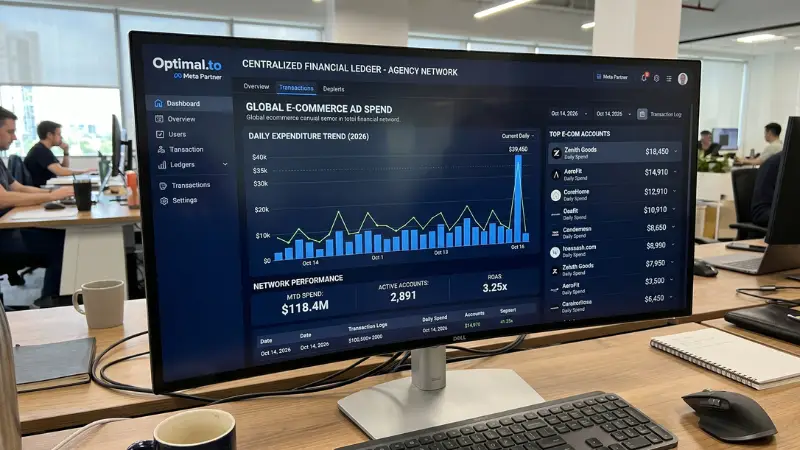
Transitioning your team’s media buy to this elite corporate tier eliminates scaling barriers through three critical operational upgrades:
- Pre-Established Algorithmic Trust Shielding: Accounts provided by Optimal.to belong to legacy corporate Business Managers processing millions of dollars in stable retail transactions. This pre-existing trust shields your ad sets from random automated sweeps, letting your e-commerce creatives clear review loops rapidly.
- Instant Uncapped Budget Scalability: Eliminate the frustration of spend velocity holds. Rented corporate logs let your optimization leads spend $5,000, $20,000, or over $50,000+ daily from hour one, letting you maximize sales volume before competitors can duplicate your winning angles.
- 15-Minute Asset Hot-Swap Redundancy: Working with an institutional partner protects your operational balance sheet. If an unpreventable platform update flags an active account or page node, the expert technical division at Optimal.to executes an immediate hot-swap protocol—safely recovering your remaining capital balances via backend API lines and transferring 100% of your funds and pixel routing parameters to a fresh corporate account within 15 minutes, ensuring your store never stops selling.
Frequently Asked Questions
Meta’s auction algorithm applies strict risk verification holds to rapid spend velocity spikes on standard retail profiles. The system artificially inflates your CPM to slow down your campaign distribution until human compliance teams can verify your account’s financial and business stability.
No. Sharing a pixel from a compromised or restricted account to a clean corporate node creates a direct technical contamination footprint. This can cause immediate automated spend chokes on the receiving agency account to protect network security.


