Maintaining stable algorithmic optimization inside high-risk digital marketing campaigns requires an airtight data tracking infrastructure. For international media buying syndicates, data loss during aggressive scaling phases directly forces Facebook’s bidding engine to miscalculate target audiences. When optimization metrics fail, user acquisition costs rise, causing high-budget campaigns to quickly burn through operational capital.
Standard pixel tracking methods trigger immediate compliance flags due to clear footprint tracking. To bypass these tracking-based restrictions and execute professional campaigns without asset disruption, protecting data streams is mandatory. Implementing a highly secure setup optimized for Facebook Pixel for casino ads allows media buyers to cleanly obscure downstream conversion signals while retaining full optimization data for the ad account.
Why Standard Pixel Implementations Trigger Instant Bans
Standard tracking scripts that fire directly from high-risk landers directly expose user interaction behaviors to Meta’s security scrapers. When an ad account processes rapid registration or purchase events tied to unverified domains, automated algorithms flag the pattern as high-risk compliance evasion.
To secure data assets while launching competitive campaigns, operations must avoid traditional client-side implementations. Standard browser cookies are completely blocked by high-security environments, leading to over forty percent data loss. True performance scaling requires shifting from traditional pixel scripts to a completely decoupled server-side framework. This ensures tracking fingerprints remain entirely hidden from standard automated review crawlers.
Server-Side Data Masking Protocols for iGaming
Safely passing conversion data to Meta requires an advanced proxy server bridge. The layout below details the exact data routing framework required to maintain account longevity:
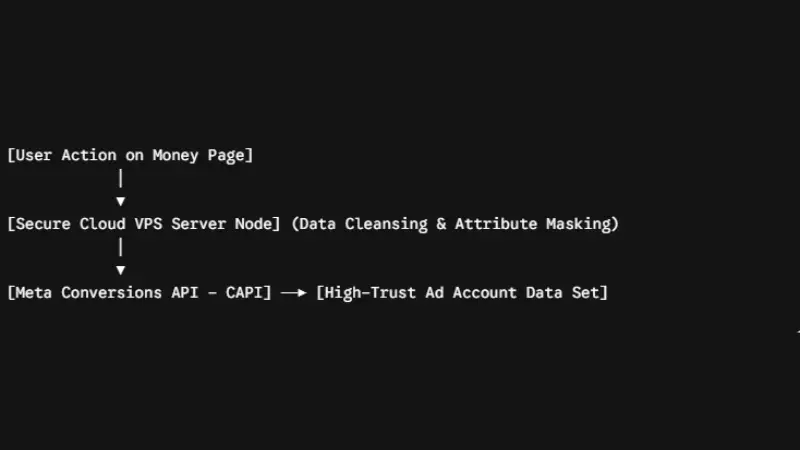
By processing tracking data through an independent virtual private server, development teams strip out all restricted URL paths and forbidden text strings before the data reaches platform endpoints. Legitimate user actions like first-time registrations are renamed to standardized e-commerce conversion triggers (such as “Lead” or “ViewContent”). This technical masking allows media buyers to run massive global operations for Facebook casino ads without triggering automated system flags.
Enterprise Integration: Conversions API vs Client-Side Browser
Relying on simple browser-side data collection will consistently cause rapid asset failure. Modern data infrastructure demands a hybrid framework with severe adjustments:
| Parameter | Client-Side Browser Tracking | Server-Side Conversions API (CAPI) |
| Data Loss Ratio | High (40% – 50% due to ad blockers) | Minimal (Under 2% accurate data retention) |
| Meta Detection Risk | Extremely High (Exposes money page URLs) | Zero Risk (Data routes from a clean server IP) |
| Algorithmic Trust | Low (Fragmented browser events) | Maximum. High match scores stabilize bidding auctions. |
To achieve peak efficiency with your tracking architecture, server-side data logs must connect through clean dedicated IP subdomains that match your safe-page frontend. This structure creates a perfectly natural communication profile that platform systems classify as highly trustworthy e-commerce platforms.

Event Deduplication and Custom Match Scores
A major technical issue during data distribution involves duplicate tracking signals. If the server-side API and the browser-side backup script transmit identical action identifiers without clean synchronization, the ad account’s optimization score breaks down completely.

- Unique Event IDs: Generate cryptographic, randomized string identifiers for every user action at the exact millisecond click phase.
- Data Enrichment: Inject clean, hashed user parameters—such as city locations and browser agents—directly into the server packet to maximize Event Match Quality scores.
- Auction Stabilization: Maintaining high match parameters forces the distribution engine to locate high-value players faster, reducing overall user acquisition costs.
By structuring event pipelines carefully, compliance teams can comfortably manage high-budget Facebook casino ad campaigns while retaining deep audience behavioral insights.
FAQ
A: This usually indicates missing deduplication parameters. If your unique transaction tokens are altered during the routing phase, the optimization system tracks two separate events instead of combining them, destroying auction efficiency.
A: No. Standard tracking tools share server infrastructures across hundreds of high-risk projects. Using shared nodes risks instant account termination due to association flags. Custom self-hosted tracking nodes are mandatory.
A: Always deploy the pixel tracking script through a clean tracking proxy subdomain. The endpoint domain must entirely mirror the white-hat safe website infrastructure to ensure automated auditing scrapers detect zero high-risk connections.


